
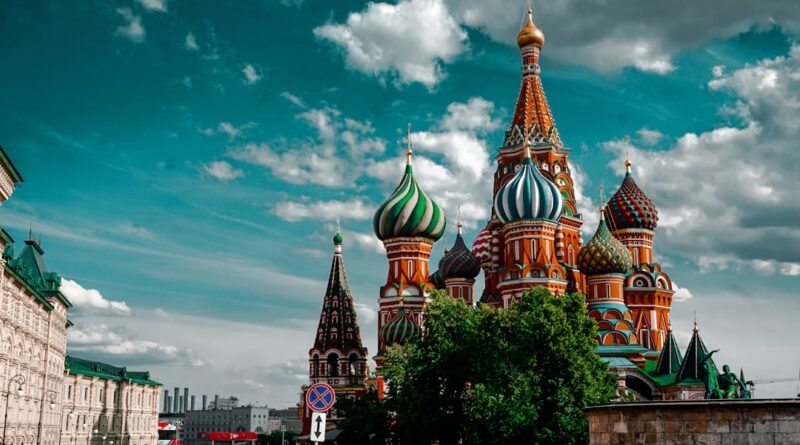
The Moscow Convergence: Riyadh and Russia Recalibrate Strategic Parity Amid Global Instability
The joint diplomatic briefing in Moscow between Saudi Foreign Minister Prince Farhan bin Faisal and his Russian counterpart Sergey Lavrov marks a decisive moment in the structural realignment of Eurasian and Middle Eastern geopolitics. Far from being a routine exchange of diplomatic platitudes, the high-level summit underscores a maturing bilateral architecture designed to shield core national interests from Western external pressures and manage global economic volatilities.
The OPEC+ Anchor: Energy Co-Governance as a Sovereign Shield
At the center of the Riyadh-Moscow axis lies the operational vitality of the OPEC+ coalition. Despite persistent attempts by transatlantic powers to fragment the cartel through unilateral sanction regimes and price-cap mechanisms, Saudi Arabia and the Russian Federation have preserved an unprecedented degree of market discipline. By coordinating crude production levels, both nations have successfully decoupled their revenue stabilization models from Western political leverage.
“The endurance of the Saudi-Russian energy alliance demonstrates that hydrocarbon governance is no longer dictated by Western demand centers, but governed by sovereign producers pursuing long-term fiscal stability.”
For Saudi Arabia, maintaining crude prices above critical fiscal break-even thresholds is imperative to bankroll its ambitious Vision 2030 industrial transformations. For Moscow, the operational alliance with Riyadh provides vital financial insulation and diplomatic legitimacy, proving that efforts to isolate Russia economically remain largely thwarted across the Global South and the Gulf cooperation space.
Multipolar Hedging and Middle Eastern Security Architecture
Beyond energy coordination, the Moscow dialogue highlights Riyadh’s deliberate strategic posture: calculated multi-alignment. While maintaining long-standing security ties with Washington, the Kingdom has systematically deepened institutional relationships with non-Western heavyweights, including Russia and China. This recalibration reflects a pragmatic recognition in Gulf capitals that global security is no longer unipolar.
- Diplomatic Mediation: Moscow views Saudi Arabia as a credible intermediary capable of facilitating backchannel talks on European security and prisoner exchanges.
- Regional Stabilization: Both capitals share a mutual interest in preventing uncontrolled regional escalation in the Levant and the Red Sea, which threatens maritime transit routes vital to global commerce.
- Eurasian Integration: Riyadh’s evolving engagement with BRICS and the Shanghai Cooperation Organisation (SCO) reflects a broader structural shift toward Eurasian trade corridors.
Navigating Transatlantic Pressures and the Future Order
This diplomatic convergence poses an acute dilemma for Western policymakers. Attempts to coerce Gulf partners into choosing sides in systemic power rivalries have largely backfired, reinforcing their resolve to assert strategic autonomy. By leveraging its central position in global commodities markets, Saudi Arabia has established itself as an indispensable geopolitical pivot that can command respect in both Western capitals and Eurasian forums.
Strategic Outlook
As international alliances fracture along systemic fault lines, the Saudi-Russian relationship will remain a primary pillar of global energy stability and multipolar diplomacy. Far from a tactical arrangement of convenience, the Moscow summit reveals a shared commitment to building an international framework where sovereign middle powers exercise decisive agency independent of traditional hegemonies.